Blood Flow Restriction (BFR) Training at Kinatex
Personalized support to better understand behaviors, develop coping strategies, and promote overall well-being in daily life.
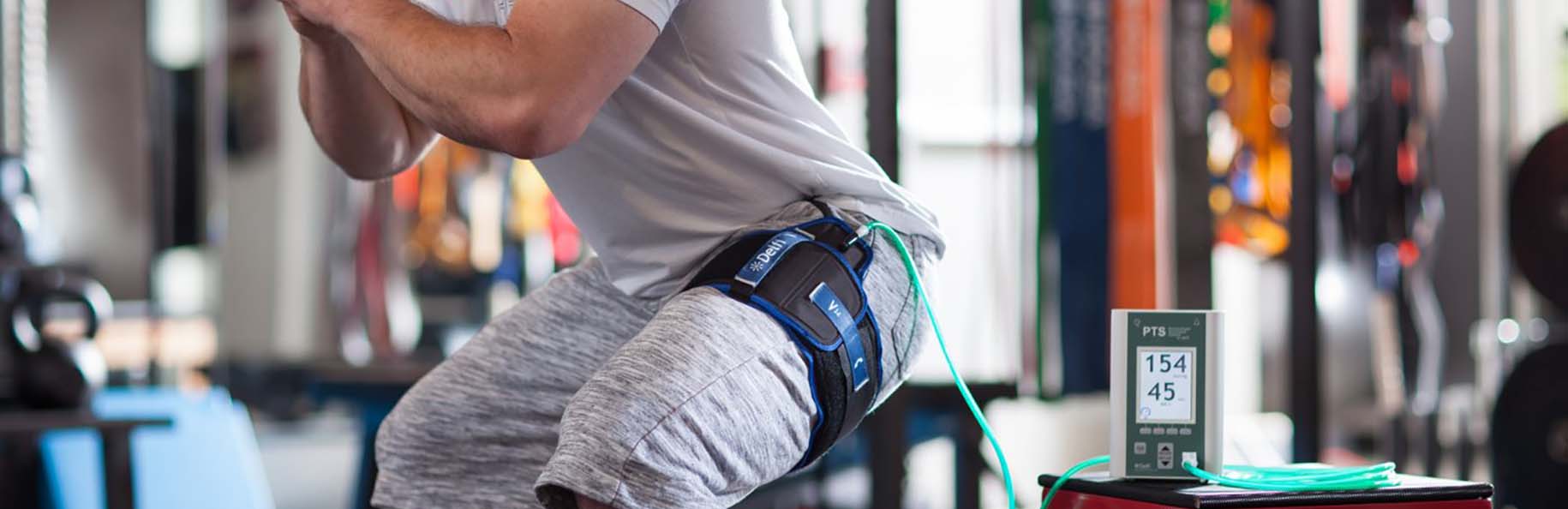
Personalized support to better understand behaviors, develop coping strategies, and promote overall well-being in daily life.
Blood Flow Restriction (BFR) training is a rehabilitation and exercise technique developed in Japan in the 1960s by Dr. Yoshiaki Sato. Originally known as KAATSU, this method has become increasingly popular due to the many promising results demonstrated in the scientific literature.
One of the most effective ways to increase muscle strength and mass (hypertrophy) is through high-intensity resistance training. However, this approach is not suitable for every patient undergoing rehabilitation, as many are unable to tolerate heavy loads or high-intensity exercise.
For example, individuals recovering from:
BFR training addresses this challenge by increasing the intensity of the exercise while using much lighter loads. By partially restricting blood flow to a muscle during low-intensity exercise, BFR creates a unique metabolic environment that stimulates muscle growth and strength gains similar to those achieved with traditional high-intensity resistance training.
This approach can be particularly beneficial for people recovering from an injury or surgery, as it allows them to perform strengthening exercises without placing excessive stress on healing tissues. This may help reduce microtrauma and potentially shorten recovery time.
BFR can also benefit athletes looking to optimize their training while minimizing recovery time between sessions.
When performed correctly, BFR is considered a safe technique. It must be carried out using specialized equipment and under the supervision of a healthcare professional who has received specific training in BFR. Your clinician will ensure that the technique is appropriate and safe for your individual condition before beginning treatment.