Share article
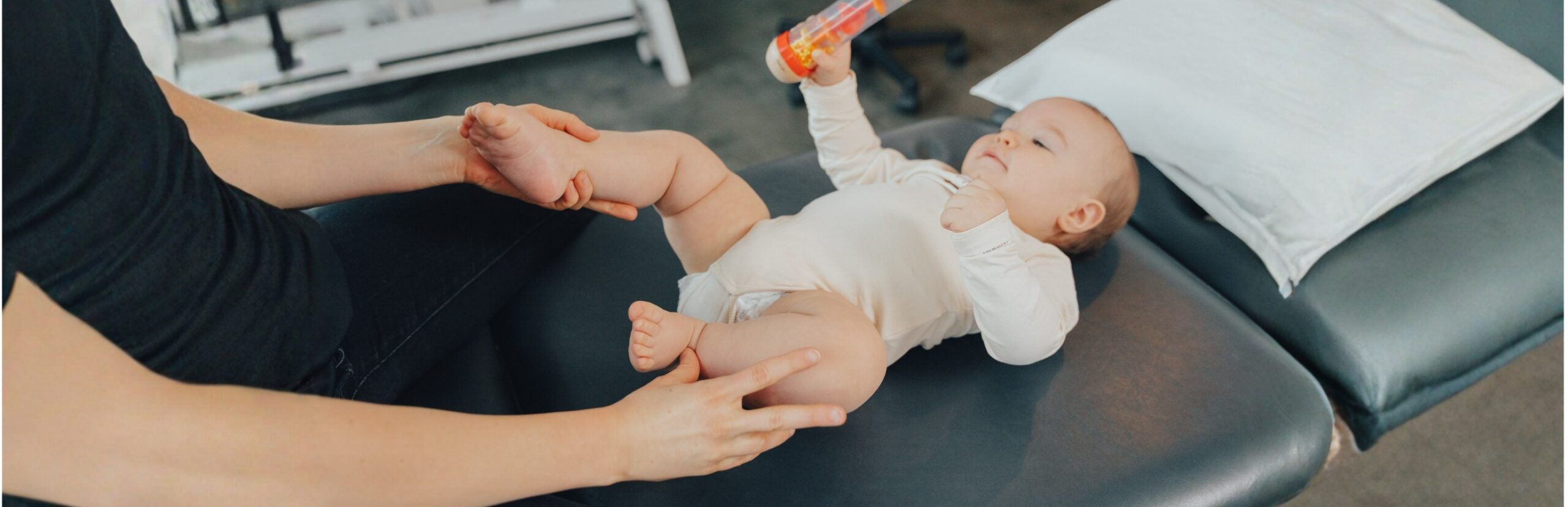
The first days and weeks of life are a period of intense adaptation for a baby. The transition from the intrauterine environment to the outside world requires many postural and functional adjustments. Birth — whether physiological, assisted with instruments, or by cesarean section — is a major event that can sometimes be accompanied by tension, asymmetries, or certain discomforts.
In this context, osteopathy offers a gentle, respectful, and non-invasive approach aimed at supporting the newborn’s comfort, mobility, and overall balance. It never replaces medical follow-up, but it can be a valuable complement during this important transition period.

Why consult an osteopath for a newborn?
During pregnancy, babies remain in a position that can sometimes place constraints on their bodies for several weeks. This prolonged posture, along with the conditions of delivery — whether very fast, long, instrument-assisted, in a particular presentation, or by cesarean — can lead to certain physical adaptations.
These adjustments may show up in different ways in a newborn’s daily life. Some babies experience sucking difficulties, digestive discomfort, a marked preference for turning their head to one side, or functional congenital torticollis. Others may have restless sleep, frequent crying, or develop positional cranial asymmetry.
Osteopathy does not aim to “correct” a baby. Rather, it supports the body’s natural ability to regain mobility, ease, and comfort.
How does osteopathy work for newborns?
Pediatric osteopathy relies on extremely gentle techniques that are fully adapted to a newborn’s physiology. The work is done without forceful manipulation, using tissue-based, cranial, and visceral approaches that respect the baby’s rhythm and sensitivity.
Through precise and delicate contact, the osteopath seeks to release tensions that may have accumulated during pregnancy or birth, improve tissue mobility, and encourage more harmonious overall function. This work can support sucking and swallowing, promote optimal digestive comfort, encourage postural symmetry, and contribute to easier breathing and more settled sleep.

What does the scientific research say?
Scientific data on pediatric osteopathy is still developing, but several recent studies show encouraging results.
In cases of positional plagiocephaly, some research suggests that manual therapies, including osteopathy, may help improve cranial symmetry and cervical mobility. For functional congenital torticollis, gentle manual approaches appear to support improved neck mobility and reduced postural asymmetry, in addition to physiotherapy when needed.
Regarding colic and digestive discomfort, some studies report improved comfort and reduced crying in certain infants following gentle manual interventions. Other work suggests that manual therapy may help support sucking ability, tongue mobility, and orofacial coordination, particularly in babies who experienced a difficult birth or who present with cervical tension.
Available studies also indicate that pediatric osteopathy, when performed by a properly trained professional, is safe and associated with very few reported adverse effects.
When should you consult?
A consultation may be relevant if a baby shows a preference for turning their head to one side, cranial asymmetry, functional torticollis, difficulties with sucking or breastfeeding, digestive discomfort such as gas, reflux or colic, restless sleep, a curved “comma-shaped” posture, or frequent unexplained crying. It can also be considered after an instrument-assisted birth or a cesarean section in order to gently support the body’s adaptations following delivery.
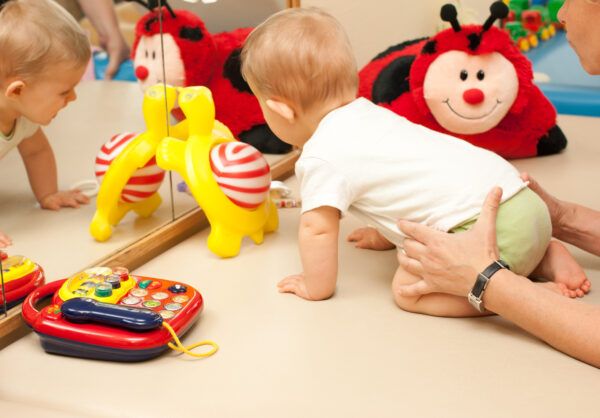
Supporting the first movements of life
In the first weeks of life, osteopathy can play a valuable role by helping to release certain tensions, improve overall mobility, and support essential functions such as sucking and digestion. It also contributes to postural balance and promotes more restful sleep.
Beyond the physical aspects, this approach fits within a global vision of well-being for both the newborn and their family. Gentle, respectful, and deeply human, it accompanies the very first movements of life with care and sensitivity.
Bibliography
Osteopathy Australia, osteopathic clinical management for babies, infants, and children
St Georges Wellness, A parent guide: how Osteopathy supports your child’s healthy development, (oct 2025)
La revue de l’ostéopathie, Traitement ostéopathique des nouveau-nés et nourrissons : efficacité et risques associés. Revue systématique de la littérature anglophone et francophone, Paul Klein, Pierre Michel Dugailly, Laura Maroye, Christian Dethier (2012)
Share article