Share article
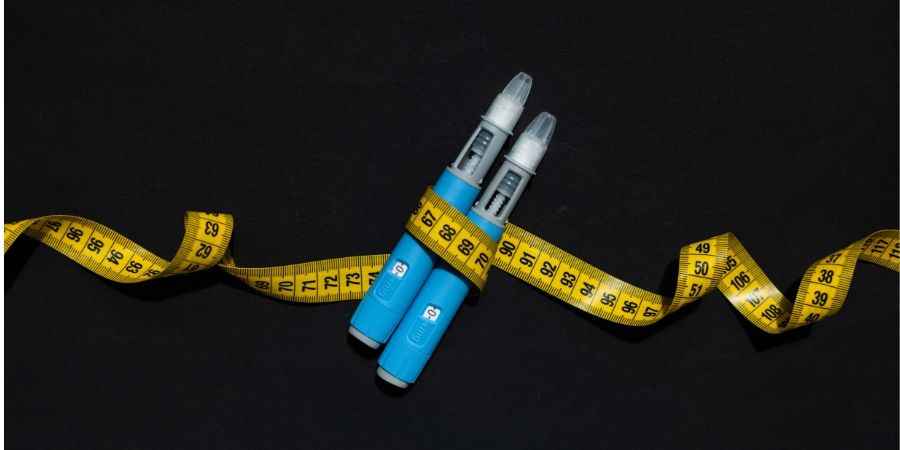
It’s everywhere in the news: Ozempic, Wegovy, Mounjaro… These medications, often grouped under the term “Ozempic-like drugs,” have transformed the treatment of type 2 diabetes and obesity. But one question keeps coming up: what should you eat when taking this type of treatment? Here are the essentials, explained in plain language.
What exactly are we talking about?
Ozempic and Wegovy contain the same molecule, semaglutide. Mounjaro and Zepbound contain tirzepatide. These are “GLP-1 agonists,” meaning they mimic a natural intestinal hormone called GLP-1, which our bodies produce after a meal.
Specifically, these treatments work in three ways:
- They increase feelings of fullness (you feel satisfied more quickly).
- They slow gastric emptying (food stays in the stomach longer).
- They reduce appetite and cravings by acting on the areas of the brain associated with hunger.
The result: you naturally eat less, without having to constantly rely on willpower.
A medication, not a magic wand
An essential point: these treatments do not replace a healthy lifestyle; they complement it. In major clinical trials, semaglutide was used alongside a balanced diet and regular physical activity, not as a substitute for them.
Another important reality: when treatment is stopped, some of the lost weight tends to return. Diet and physical activity therefore remain your best allies in the long term.
Eating well during treatment: the key principles
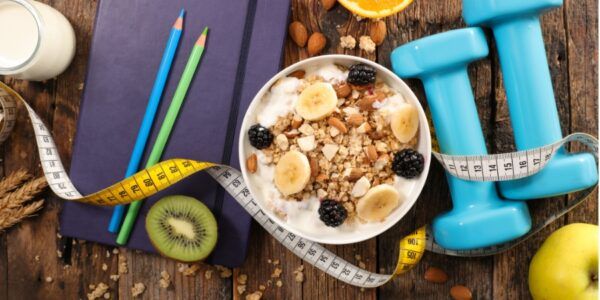
Since appetite decreases, every bite counts more. The goal is not simply to eat less, but to eat better.
- Prioritize protein. During weight loss, you lose more than just fat: you can also lose muscle. Adequate protein intake (eggs, fish, poultry, legumes, and dairy products) helps preserve muscle mass.
- Make room for fiber. Vegetables, fruits, whole grains, and legumes support bowel regularity and help prevent constipation.
- Eat slowly and in small amounts. Smaller, more frequent meals are often better tolerated than one large meal.
- Listen to your fullness cues. Stop eating as soon as you feel satisfied: continuing to eat despite feeling “full” can worsen nausea and discomfort.
- Stay well hydrated. Appetite and sometimes even the sensation of thirst may decrease, so remember to drink regularly throughout the day.
- Mediterranean-style diets (rich in vegetables, fruits, healthy fats, and lean proteins) are often recommended as a general dietary approach.
Pay attention to muscle mass
When you lose weight quickly, you do not lose only fat: some of the weight loss also comes from muscle. With Ozempic-like medications, the significant reduction in appetite can decrease protein intake and worsen this effect, increasing the risk of muscle loss (sometimes referred to as sarcopenia).
Why does this matter? Muscle is important for more than just strength: it supports balance, metabolism, and bone health. Losing too much muscle can lead to fatigue, weakness, and an increased risk of falls, and may contribute to weight regain after treatment is stopped.

How to reduce this risk:
- Eat enough protein at every meal (eggs, fish, poultry, legumes, dairy products, and tofu). This is the most important habit to adopt.
- Stay active, and especially strengthen your muscles. Combining walking or cardio with strength-training exercises (resistance bands, weights, and bodyweight exercises) helps preserve muscle mass.
- Do not skip meals, even if your appetite is low: small, protein-rich portions are better than eating nothing.
- Talk to your doctor or a dietitian, who can adjust your nutritional intake and, if necessary, monitor your body composition.
Digestive side effects: what to expect
The most common side effects are digestive: nausea, diarrhea, vomiting, constipation, and abdominal pain. They are generally mild to moderate, occur mainly at the beginning of treatment or when the dose is increased, and tend to improve over time.
A few dietary habits that can help:
- For nausea: Eat light, low-fat meals, eat slowly, and avoid alcohol and carbonated drinks.
- For constipation: Increase fiber intake, stay well hydrated, and engage in physical activity.
- For bloating: Eat smaller, more frequent meals and avoid eating too quickly.
If digestive symptoms are severe or persistent, speak with your doctor rather than adjusting the dose yourself.
When to seek medical advice
These medications must always be taken under medical supervision. Certain signs should prompt you to contact a healthcare professional promptly: severe and persistent abdominal pain, significant vomiting that prevents you from staying hydrated, or any unusual and concerning symptoms.
In addition, if weight loss is substantial and rapid and affects your endurance or ability to perform everyday activities, consulting a healthcare professional is strongly recommended.
The bottom line
Ozempic-like medications are powerful tools, but their success rests on three pillars: medication, nutrition, and physical activity. Eating well—with enough protein, fiber, adequate hydration, and meals adapted to a reduced appetite—helps you get the most out of treatment while minimizing discomfort.
Need Advice Tailored to Your Needs?
Are you recovering from an injury, living with chronic pain, or looking to optimize your diet to better support your training?
The registered dietitians at Kinatex can help you adopt eating habits suited to your needs and goals.
A personalized approach, without miracle diets, grounded in science and, above all, practical for everyday life.
Book an appointment to discover how nutrition can become an ally in your health and recovery.
This article is intended for general informational purposes and does not replace personalized medical advice. Talk to your doctor or a dietitian.
Share article