
Share article
Sports injuries, joint pain, osteoarthritis, or recovery after surgery: did you know that what you eat could influence your recovery?
When we get injured or experience persistent pain, we naturally think of physiotherapy, exercise, and medical treatments. But we often overlook another factor that can also play a role: our diet.
Certain foods provide the body with nutrients that support tissue repair and help regulate inflammation. Other dietary habits, when repeated day after day, may contribute to an inflammatory state that is less favorable to health.
So, can we really eat to support recovery and reduce pain? Here is what science tells us.

Inflammation: Friend or Foe?
We often hear that inflammation needs to be fought. Yet inflammation is first and foremost a natural process that is essential to healing.
Imagine spraining your ankle. The area quickly becomes painful, warm, and swollen. These are signs that your body is working to protect the injured area and begin repairing it.
It is a bit like an emergency response team mobilizing after an accident: some cells help clear away damaged tissue, while others contribute to the healing process.
The problem arises when inflammation persists or becomes excessive.
In certain conditions, including osteoarthritis and some chronic injuries, inflammatory processes can contribute to ongoing pain and make tissues more sensitive.
However, it is important to remember that chronic pain is complex and cannot be explained by inflammation alone.
The goal is therefore not to eliminate all inflammation, but rather to create an environment that supports recovery.
What Is the Link Between Our Diet and Inflammation?
Our diet influences several processes involved in immune system function and tissue repair.
A diet rich in vegetables, fruits, fibre, and healthy fats can help create a more favorable metabolic environment and support better regulation of inflammation.
Conversely, a diet that is consistently low in nutrients and made up primarily of ultra-processed foods may be associated with greater chronic inflammation.
The gut microbiome—the community of microorganisms living in our intestines—also plays an important role in regulating the immune system.
The good news? You do not need to follow a strict diet or buy specialty products to improve the quality of your diet.
A few simple, sustainable changes can make a difference.
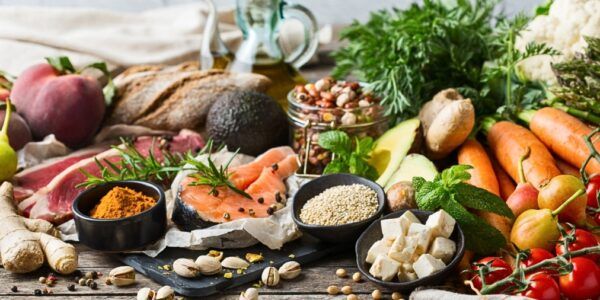
5 Dietary Habits to Support Better Recovery
1. Add Colour to Your Plate
Fruits and vegetables are rich in vitamins, minerals, and antioxidants. These compounds help protect our cells and support the body’s natural repair processes.
Berries, such as blueberries, strawberries, and raspberries, are particularly beneficial because they are rich in polyphenols, plant compounds with antioxidant properties.
Citrus fruits, bell peppers, and green vegetables also provide vitamin C, which is essential for collagen production. Collagen is an important protein for tendons, ligaments, and other tissues.
Practical tip: Try to fill about half your plate with vegetables and include fruit in your snacks.
2. Choose Healthy Fats, Especially Omega-3s
Not all fats have the same effects on health.
Omega-3 fatty acids, found in foods such as salmon, sardines, mackerel, and herring, help regulate several inflammatory processes.
Research suggests that they may also help reduce certain markers of inflammation and some types of muscle soreness after exercise. However, results vary.
Walnuts, chia seeds, and flaxseeds also provide omega-3s, but in a different form from the omega-3s found in fatty fish.
Practical tip: Include fatty fish, such as salmon, mackerel, or herring, in your meals regularly, use more olive oil, and add a small handful of nuts to your snacks.
3. Give Your Gut Microbiome a Boost
Did you know that your gut plays a role in regulating inflammation?
Gut bacteria use dietary fibre to produce beneficial substances that help support proper immune system function.
To nourish these beneficial bacteria, choose a varied diet that includes legumes, whole grains, fruits, vegetables, and nuts.
Practical tip: Occasionally replace a serving of meat with lentils, chickpeas, or beans, and choose whole-grain products more often.
4. Give Your Body the Nutrients It Needs to Repair Tissue
After an injury or surgery, your body needs energy and nutrients to support the healing process.
Protein helps repair and maintain muscle tissue.
Certain vitamins and minerals, including vitamin C, vitamin D, zinc, and iron, also play important roles in the physiological functions needed for recovery.
However, taking supplements containing these nutrients does not automatically speed up healing when no deficiency is present.
Practical tip: Make sure you eat enough, choose a variety of foods, and include a source of protein with your meals. If you have specific nutritional needs or are experiencing difficulties recovering, a registered dietitian can help you adjust your intake.
5. Gradually Cut Back on Ultra-Processed Foods
You do not need to completely eliminate sugar, desserts, or your favourite foods.
However, a diet made up primarily of sugary drinks, highly refined products, and foods high in saturated fat can displace more nutritious options.
The key is to consider your overall eating habits rather than focusing on a single food.
Practical tip: Start with one realistic change: replace a sugary drink with water infused with mint or lemon, add a piece of fruit to your snack, or prepare one additional homemade meal each week.
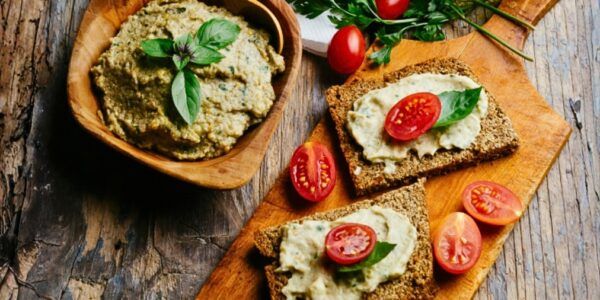
The Mediterranean Diet: An Evidence-Based Approach
Among the various dietary approaches studied, the Mediterranean-style diet stands out.
It is based primarily on a high intake of fruits, vegetables, legumes, whole grains, nuts, and olive oil, along with fish and other sources of protein.
Its benefits extend beyond cardiovascular health: some studies suggest that it may also help reduce pain in people living with certain inflammatory conditions.
The American College of Rheumatology conditionally recommends this dietary approach for people with rheumatoid arthritis, alongside their usual treatments.
However, the benefits are not the same for every musculoskeletal condition.
The main advantage? This is not a restrictive diet, but rather a balanced and sustainable way of eating—a lifestyle change.
What If You Have Osteoarthritis or Chronic Pain?
Diet can also be a complementary tool in managing certain types of persistent pain.
For knee osteoarthritis, for example, reducing body weight, when appropriate for the individual, may help decrease the load placed on the joints and improve physical function.
A higher-quality diet can also provide benefits for overall health, even without weight loss.
However, it is important to understand that no single food can cure osteoarthritis, tendinopathy, or chronic pain.
Managing these conditions involves several factors, including appropriate physical activity, rehabilitation, and medical treatments when necessary.
What About Anti-Inflammatory Supplements?
Omega-3 capsules, turmeric, vitamins, and other supplements are often promoted as solutions for fighting inflammation.
Some have shown promising results in studies, but their effects on pain and recovery are not always sufficiently established to recommend routine use.
Dosage, potential medication interactions, and individual needs must also be taken into account.
Before turning to supplements, the best strategy is generally to improve the overall quality of your diet.
The Bottom Line: Your Plate Is Part of Your Recovery!
Whether you are an athlete, recovering from an injury, or dealing with persistent joint pain, your diet deserves a place in your recovery strategy.
There is no need for a miracle diet or a radical transformation.
Eating more plant-based foods, choosing healthy fats, varying your protein sources, and developing sustainable habits are all ways to support your health.
Above all, remember that nutrition and physiotherapy complement each other: nutrition helps provide your body with the nutrients it needs, while physiotherapy helps you gradually regain mobility, strength, and functional abilities.
Need Advice Tailored to Your Needs?
Are you recovering from an injury, living with chronic pain, or looking to optimize your diet to better support your training?
The registered dietitians at Kinatex can help you adopt eating habits suited to your needs and goals.
A personalized approach, without miracle diets, grounded in science and, above all, practical for everyday life.
Book an appointment to discover how nutrition can become an ally in your health and recovery.
This article is for educational purposes only and does not replace an assessment or personalized recommendations from a healthcare professional.
Share article