
Share article
Long associated with bodybuilders and elite athletes, creatine is becoming increasingly popular among recreational athletes and people who want to improve their physical fitness and even their cognitive health.
And for good reason: it is one of the most extensively studied dietary supplements in sports nutrition.
But is it really effective? Does it cause weight gain? Is it dangerous for the kidneys? And above all, should you take it, and if so, at what age?
Let’s take a look at what the science says:
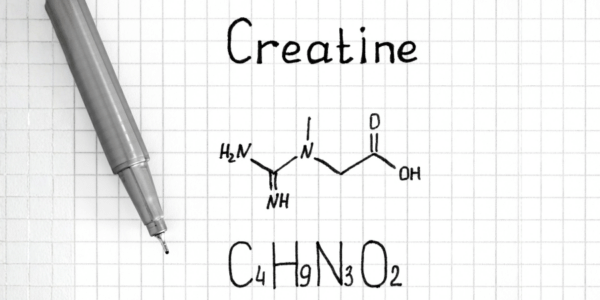
What exactly is creatine?
Contrary to what many people think, creatine is not an artificial substance reserved for athletes.
Your body naturally produces it every day!
It is also found in certain foods, primarily meat and fish.
Approximately 95% of the creatine in the body is stored in the muscles. Its role? To help produce energy quickly during short, intense efforts.
Imagine your muscles as a hybrid gasoline-powered car: creatine acts a little like the backup battery that provides a quick burst of power when you need it most. However, this energy supply is short-lived, depletes quickly, and needs to be replenished frequently.
By taking a supplement, you increase the creatine stores in your muscles, which may allow you to maintain a higher intensity during certain types of exercise and specific sports.
What are the real benefits?
Creatine does not work miracles, but its effects on performance are well documented.
It is particularly beneficial for activities that require explosive or repeated efforts, such as weightlifting, sprinting, hockey, soccer, or racquet sports.
Here is what it can do for you:
- More strength and power: Lift heavier weights or improve certain explosive movements.
- A better ability to repeat efforts: Perform a few extra repetitions or maintain intensity during successive sets.
- Improved muscle development: When combined with resistance training (at least 3 times per week), it can promote gains in muscle mass.
- Potentially improved recovery between efforts: Some benefits are possible, although scientific findings are less consistent.
Interesting fact: Vegetarians and vegans may sometimes benefit more from supplementation because their initial muscle creatine stores are often lower.
Does creatine cause weight gain?
No, but it does increase body weight.
When you start taking creatine, you may notice the number on the scale go up.
Don’t panic: this increase is mainly due to a greater amount of water being stored inside the muscles, particularly during the first few weeks.
This is not fat gain.
Over the longer term, creatine can also contribute to increased muscle mass when combined with appropriate training. This therefore affects the body’s metabolism and, when combined with healthy eating habits, may help reduce body fat.
Is it dangerous for the kidneys?
This is probably the question that comes up most often.
Despite some persistent concerns, scientific research is reassuring.
In healthy adults, taking creatine at recommended doses has not been shown to have adverse effects on kidney function.
One particular point deserves to be highlighted: creatine can slightly increase blood creatinine levels, a marker used to assess kidney function. This does not automatically mean that the kidneys are damaged. It is therefore important to disclose creatine use to your doctor so they can adjust their interpretation of your blood test results.
Reported side effects are generally minor. Some people may experience digestive discomfort, especially when they consume large doses in a single serving.
However, people with kidney disease or chronic health conditions should consult a healthcare professional before taking it.
Creatine and brain health: A promising avenue?
This is a research area that is attracting growing interest among scientists.
We often forget that the brain is a major consumer of energy. Just like your muscles, it uses creatine to maintain its energy stores and function properly.
Researchers are therefore investigating its potential in two particularly interesting areas: recovery after traumatic brain injury and cognitive functions, particularly memory.
A possible role after a concussion?
When someone suffers a concussion or traumatic brain injury, the brain may experience a period of energy disruption. In other words, it has difficulty meeting its energy needs.
Since creatine contributes to the rapid production of energy, some researchers are wondering whether supplementation could help the brain cope better during this period and support recovery.
Early results are encouraging.
Animal studies have observed protective effects on brain tissue following an injury.
In humans, a small study involving 39 children and adolescents who had sustained severe traumatic brain injuries reported improvements in several aspects of recovery, including reductions in headaches, dizziness, and fatigue.
But be careful: these results do not mean that creatine treats concussions.
Human studies remain very limited, and these findings must be confirmed through larger studies, particularly among people who have sustained mild concussions.

What about memory and concentration?
The results are also interesting!
Some research suggests that creatine may help slightly improve memory, particularly in older adults.
One analysis combining several clinical trials observed benefits on certain memory tests, with more pronounced results among adults aged 66 to 76.
Creatine may also be of interest in certain situations where the brain is subjected to energy stress, such as sleep deprivation or mental fatigue. However, results vary across studies.
And what about preventing Alzheimer’s disease or dementia?
For now, the scientific evidence is far too limited to conclude that creatine could prevent or treat these conditions.
Key takeaway: The potential effects of creatine on the brain are fascinating, but research is still exploratory. It is not a recognized treatment for concussions or cognitive decline, and it never replaces appropriate medical care.
The doses used in some brain-related studies also differ from the doses typically used in sports nutrition, with the aim of allowing the molecule to cross the brain’s protective barrier. However, at this time, increasing your intake in the hope of obtaining these benefits is not recommended.
Should everyone take it?
Of course not!
Although creatine is effective, its benefits vary depending on the type of physical activity, individual goals, and personal characteristics.
It may be beneficial for someone who lifts weights, an athlete who performs explosive movements, or someone who wants to support muscle development.
On the other hand, for someone who primarily engages in moderate-intensity endurance activities, the performance benefits are much less evident.
Caution is also warranted for children, adolescents, and during pregnancy or breastfeeding, as long-term safety data are more limited. It is not recommended for children under 18 unless otherwise advised by a healthcare professional.
The bottom line: Effective, yes… magical, no!
Creatine is one of the few sports supplements whose benefits are supported by numerous scientific studies.
It can genuinely help improve strength, power, muscle development, and potentially cognitive function.
But let’s remember one essential thing: no supplement can replace an appropriate training program, a balanced diet, quality sleep, and healthy lifestyle habits.
Before investing in a multitude of expensive products, first make sure they are right for you and that you have been assessed by a qualified nutritionist who can guide you through a supplementation protocol.
Need Advice Tailored to Your Needs?
Are you recovering from an injury, living with chronic pain, or looking to optimize your diet to better support your training?
The registered dietitians at Kinatex can help you adopt eating habits suited to your needs and goals.
A personalized approach, without miracle diets, grounded in science and, above all, practical for everyday life.
Book an appointment to discover how nutrition can become an ally in your health and recovery.
This article is intended for educational purposes and does not replace an assessment or personalized recommendations from a healthcare professional.
Share article