Three Practical Tips from a Nutritionist to Start or Keep Going with Your Health Journey

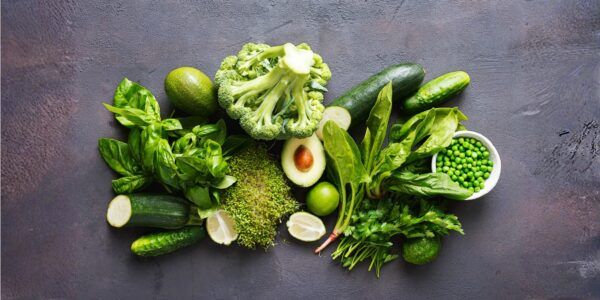
Vegetables
According to the Healthy Plate principle, 50% of our plate should consist of vegetables. The main challenge is getting our portions every day, despite limited time and end-of-day fatigue.
Tip
After grocery shopping, take some time to prep your vegetables for the week. For example, cut your broccoli into florets and store them in a perforated vegetable bag. When dinner time comes, all you need to do is wash and cook the desired amount—no cutting board or knife required! This approach works for many other vegetables as well, including carrots, green beans, Brussels sprouts, cauliflower, snap peas, and more.
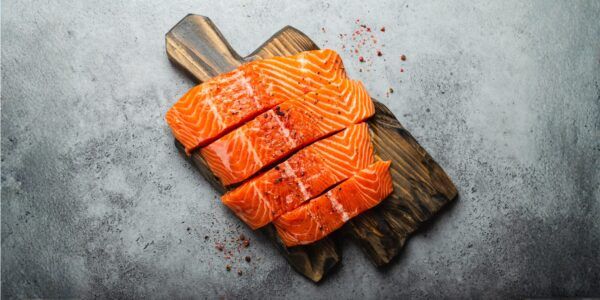
Valued for its richness in omega-3s, preparing and cooking fish can be intimidating for many, which often leads to postponing fish meals… Ideally, our daily menu should include at least two fish meals, but as the saying goes, one is better than none.
Tip
Don’t hesitate to cook individually portioned frozen fish. In the morning, simply take out the number of portions you need for dinner and let them thaw in the fridge. That way, dinner will be ready in no time!
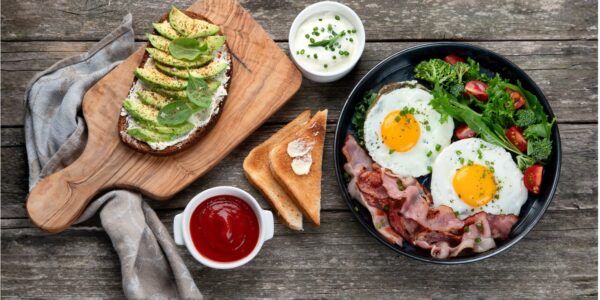
After several hours of fasting, our body needs fuel to face the day productively. That’s why it’s beneficial to prepare a complete breakfast—this will also help you resist those late-day sugar cravings. In the morning, whether you have a huge appetite or just a small one, adjust the contents of your breakfast accordingly.
Tip
For those with a small appetite, why not split your breakfast into parts? For example, you could have toast with peanut butter at home and then a small bowl of cereal, yogurt, or fruit as a snack later. This way, you’ll have all the energy needed to stay alert at work. For busy mornings, set the table the night before and place breads and cereals on the counter—it will give you a few extra minutes!
Eating better is a skill you develop gradually. Looking forward to meeting you!