Share article
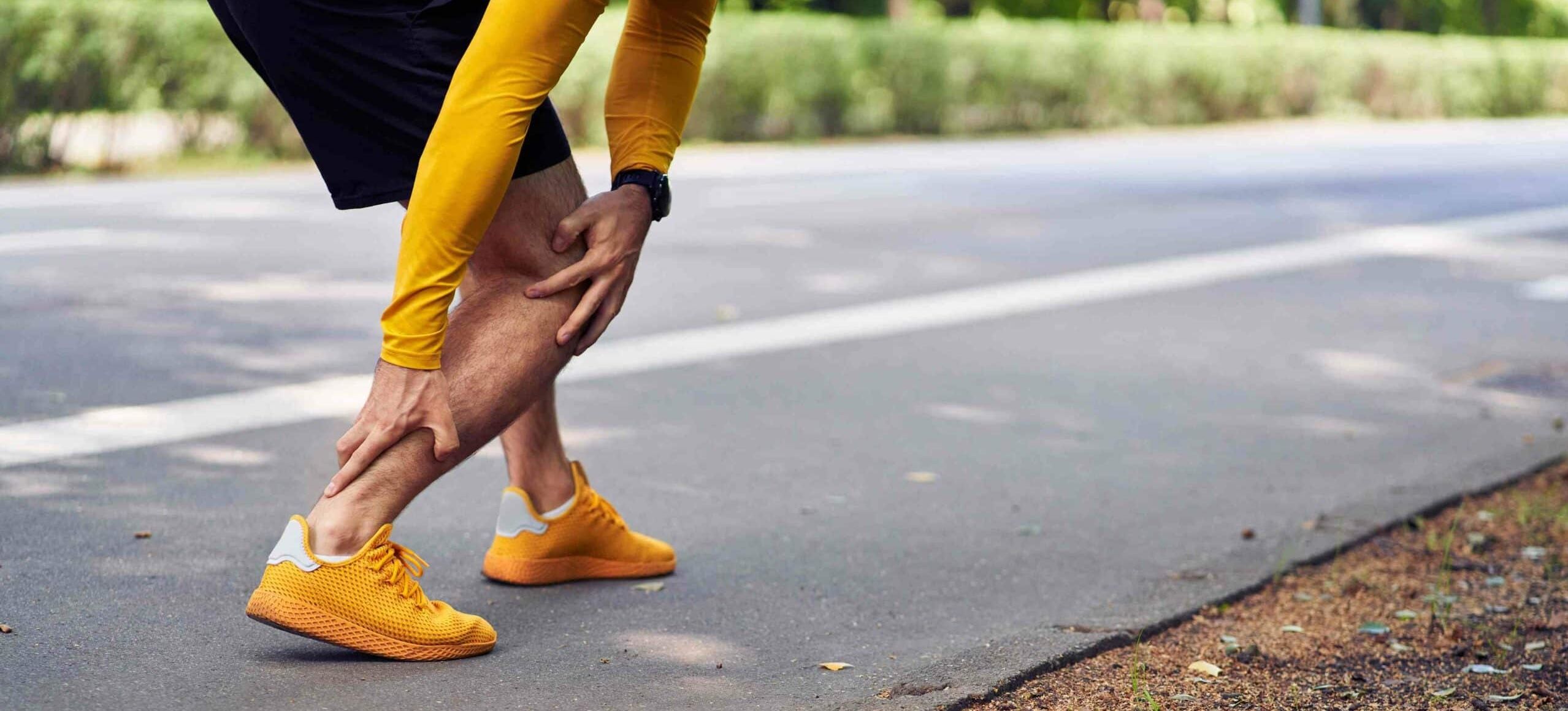
Pain behind the heel? Stiffness when getting up? Difficulty running or climbing stairs?
It could be Achilles tendinopathy, a common condition among walkers, runners, and active individuals.
At Kinatex, our physiotherapists assess and treat Achilles tendinopathy to help you return safely to your activities.
What is Achilles tendinopathy?
A tendon is a fibrous structure that connects a muscle to a bone, similar to a rope. It transmits the muscular force needed for movement.
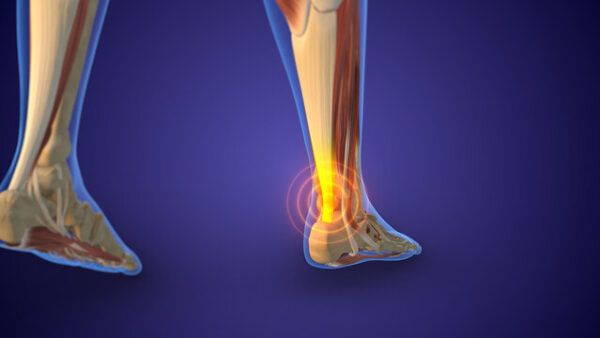
The Achilles tendon, the strongest tendon in the human body, connects the three calf muscles (gastrocnemius and soleus) to the calcaneus (heel bone). It allows you to:
- Point the foot downward
- Walk and climb stairs
- Run and jump
With every step, the tendon is placed under tension, especially during uphill movement or explosive efforts.
Achilles tendinopathy occurs when the tendon is overloaded beyond its tolerance to stress. Over time, structural changes may develop, reducing its ability to recover if the condition is not properly treated.
Signs and symptoms of Achilles tendinopathy
- Pain behind the heel when walking or running
- Pain that decreases at rest but returns with activity
- Morning stiffness (typically lasting a few minutes before easing)
- Start-up pain (e.g., first steps after sitting)
- Tenderness when touching the tendon
- Swelling or thickening of the tendon
- Possible redness or local heat
- Reduced ankle flexibility
- Limping if pain is significant
- May affect one or both sides
Pain may appear:
- Suddenly, after a major change in activity or a trauma
- Gradually, due to training errors or suboptimal biomechanics
Physiotherapy treatment for Achilles tendinopathy
Early treatment significantly improves prognosis. The optimal intervention plan includes:
A complete assessment
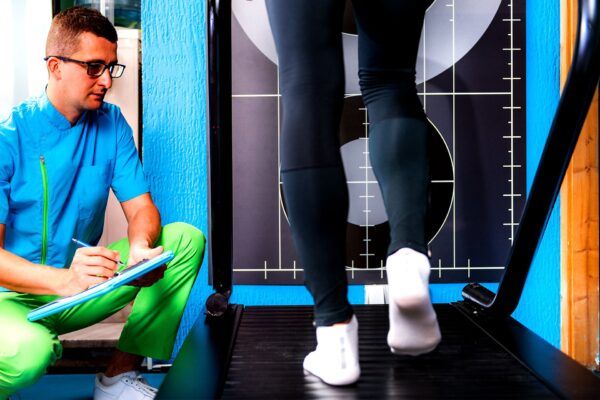
- Biomechanical analysis
- Analysis of training volume or recent physical overload
- Ruling out other sources of pain (e.g., referred lumbar pain into the foot, sciatic nerve irritation, etc.)
A personalized exercise program
- Specific and progressive exercises based on mechanical stress quantification principles
- Calf strengthening, prioritizing the eccentric phase: focusing on the lengthening phase of the muscle under load, for example when slowly lowering the heel after rising onto the toes
- Adapted cardiovascular activity
- Correction of movement technique
Load management (relative rest)
It is recommended to remain active while adjusting effort according to the body’s response. A slight increase in pain (1 to 2/10) is acceptable if it returns to normal within 30 to 60 minutes after activity.
Complementary modalities:
- Dry needling physiotherapy
- Orthopedic manual therapy based on assessment findings
- Gel heel lift to reduce initial strain
- Protective sleeve if shoe friction is painful
If symptoms persist
If, despite appropriate treatment, the tendinopathy persists, radial shockwave therapy is also available at Kinatex to enhance healing and reduce symptoms in the medium and long term.
To learn more about this approach, we invite you to consult the following article: Shockwave therapy in physiotherapy
Prevention of Achilles tendinopathy
It would be unfortunate to interrupt a hiking trip or running season due to an avoidable injury.

Practical advice:
- Gradually plan any increase in activity
- Follow a progressive training load
- Wear comfortable shoes adapted to your sport demands
- Strengthen your calves and ankles
Physiotherapy and kinesiology services at Kinatex help prepare your body appropriately according to your specific needs.
When to consult
Consult if:
- Pain has persisted for more than 2 weeks despite reducing activity or returns when activity resumes
- Pain limits daily or sports activities
- You notice a gradual worsening
Early treatment allows for a more effective and lasting return to activity.
Book an appointment today
Do you want to get back to running, hiking, or simply walking without pain?
Book an appointment at your nearest Kinatex clinic and let our physiotherapists guide you toward optimal recovery.
Share article