Share article
Osteopathy is attracting more and more people in Quebec and elsewhere. But one question comes up often: when is it appropriate to see an osteopath?
We often think of consulting an osteopath only in cases of acute pain, but osteopathy can help long before symptoms appear. Knowing when to consult not only relieves discomfort, but also helps prevent it.
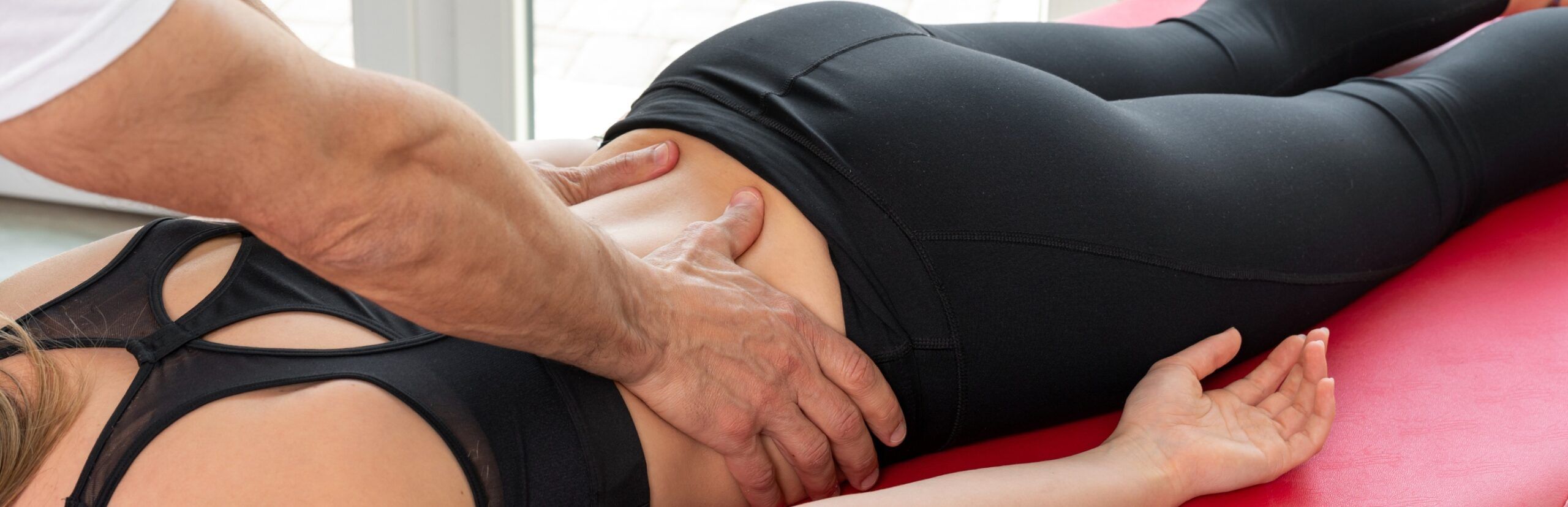
Musculoskeletal pain: the most common reason for consultation
Back, neck, and shoulder pain are among the most frequent reasons for seeking care. You may consider a session if you experience:
- Lower back pain or sciatica
- A stiff neck or cervical tension
- Sprains, tendinitis
- Intercostal pain
- Groin pain (pubalgia)
- Jaw pain (TMJ)
- Persistent discomfort after a sudden movement
These issues may be related to posture, stress, repetitive movements, or an old injury.
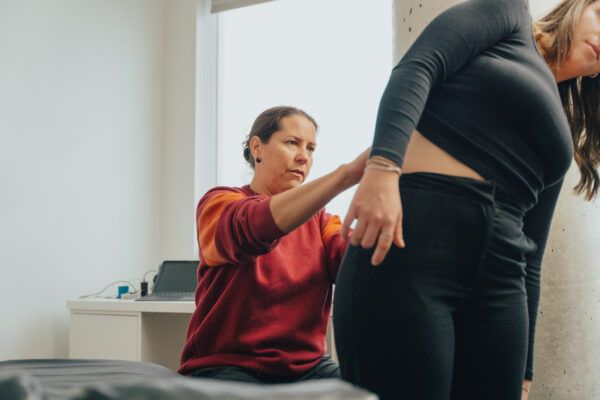
Lifestyle-related concerns
Our daily habits directly influence our bodies. Osteopathy can help when you notice:
- Postural fatigue (computer work, driving, carrying loads)
- Neck tension
- General fatigue or a feeling of bodily pressure
- Headaches or migraines
- Sleep disturbances
- Digestive discomfort (bloating, reflux, irregular bowel movements)
- Tension related to stress or mental load
The osteopath works on areas of tension, breathing, visceral mobility, and nervous system regulation.
After a trauma or a significant physical event
Even when pain seems minor, a shock to the body can leave lasting effects, making a consultation relevant in several situations. It is advisable to seek guidance after a fall or accident, even if it occurred long ago, following a sprain or sports injury, or after surgery once the healing process is well underway. The goal of such a consultation is to help the body regain mobility and prevent compensatory movements that could lead to further issues.
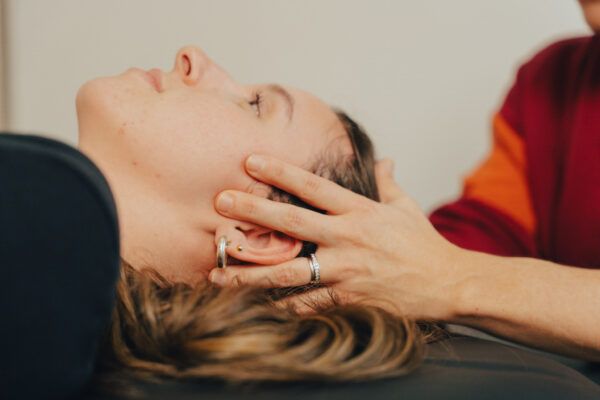
During pregnancy and postpartum
Pregnancy brings profound changes to the body, and osteopathy can gently support these transformations. A consultation is often recommended for issues such as lower back or pelvic pain, sciatica, pubalgia, breathing or digestive discomfort, or to prepare the pelvis for childbirth. After delivery, a session can help rebalance the pelvis, relieve tension related to childbirth or breastfeeding, and support overall postpartum recovery.
For infants and children
For little ones, osteopathy can be useful in cases of:
- Discomfort after a difficult birth
- Functional torticollis
- Positional plagiocephaly
- Sleep disturbances
- Sucking difficulties
- Digestive discomfort (colic, reflux)
For older children, it supports growth, frequent falls, postural issues, and the start of sports activities.
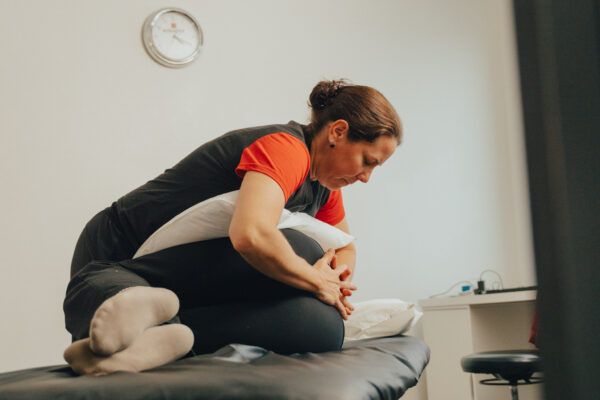
Prevention: an often overlooked benefit
You don’t have to be in pain to benefit from a consultation. One or two sessions per year can help prevent tension before it becomes painful, optimize mobility, and support the body during stressful periods or changes in routine. In this way, osteopathy serves as a holistic tool for maintaining overall health.
In summary
Seeing an osteopath is appropriate as soon as your body shows signs of imbalance: pain, tension, fatigue, digestive discomfort, stress, or after a significant physical event. Osteopathy also supports major life stages—pregnancy, birth, puberty, growth, menopause/andropause—and is fully part of a preventive approach.
Bibliography
Khalaf Z M, Margulies P, Moussa M K, et al. (November 29, 2023) Valid and Invalid Indications for Osteopathic Interventions: A Systematic Review of Evidence-Based Practices and French Healthcare Society Recommendations. Cureus 15(11): e49674.
https://www.cureus.com/articles/202523-valid-and-invalid-indications-for-osteopathic-interventions-a-system#!/
Share article